
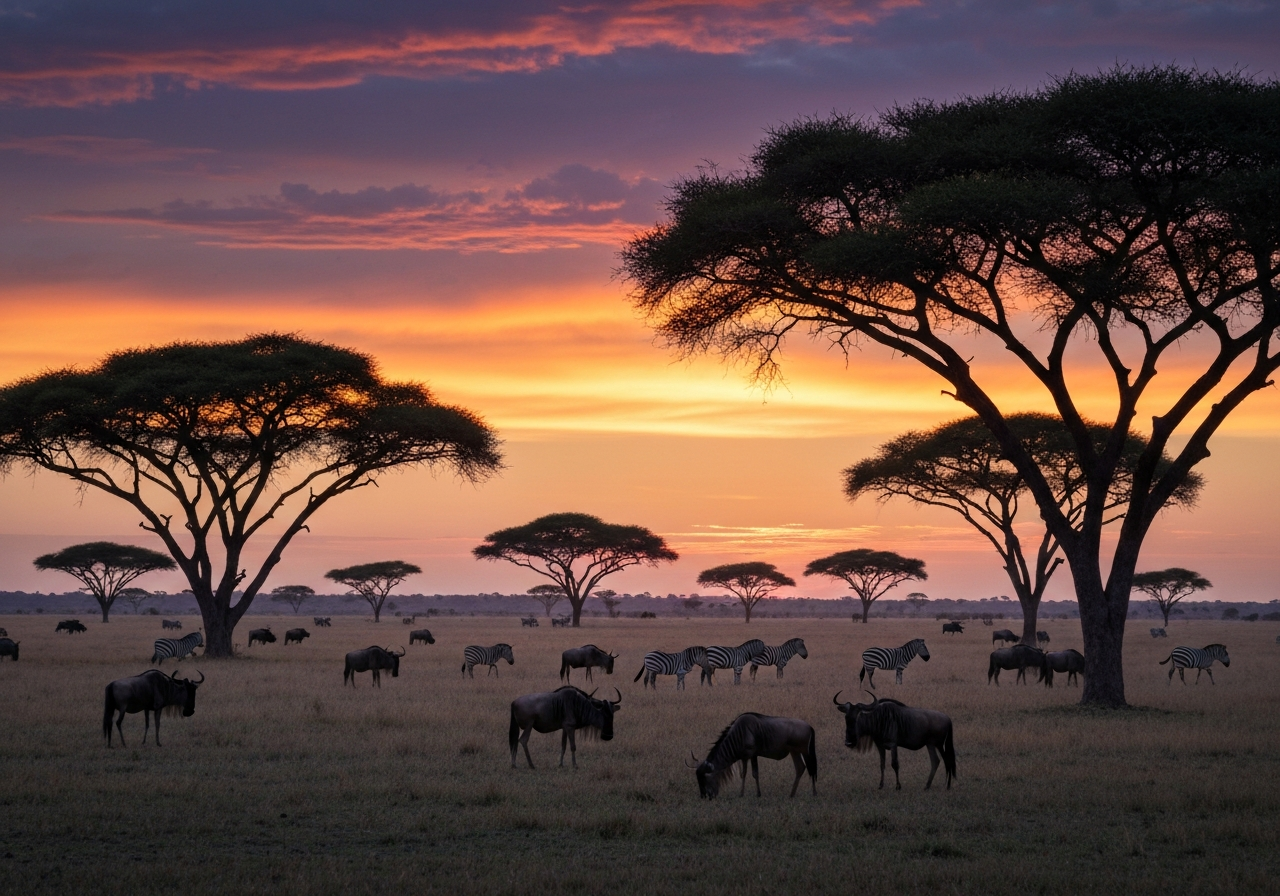
Timing is Everything: Decoding the Seasons
East Africa is a phenomenal year-round destination, but the experience varies dramatically with the seasons. Understanding the weather patterns, wildlife movements, and landscape changes is crucial for planning an itinerary that aligns perfectly with your expectations.
The Dry Season (June to October)
This period is widely considered the absolute best time for classic wildlife viewing. Because water is scarce, animals congregate predictably around permanent water sources like rivers and waterholes. The bush is less dense, making predators easier to spot. This is also the time for the spectacular Mara River crossings during the Great Migration (typically August to October in Kenya). Expect clear blue skies, warm days, and cool nights. Because this is peak season, booking well in advance is essential.
The Green Season (November to May)
Also known as the "emerald season," this period brings the rains, transforming the dusty plains into a lush, vibrant green paradise. It is the absolute best time for birdwatching, as thousands of migratory species arrive. It's also the calving season (especially February in the southern Serengeti), meaning lots of baby animals and dramatic predator-prey interactions. The spectacular afternoon thunderstorms make for incredible, dramatic photography. Additionally, you'll enjoy far fewer crowds and often significantly better rates at luxury lodges.
Shoulder Seasons: The Sweet Spot
The transitional months—like late October, November, and late May—can offer the best of both worlds. You might experience occasional rain showers, but the landscapes are transitioning, visitor numbers are lower, and the wildlife viewing remains exceptional. Our travel designers can advise on the nuances of micro-climates to optimize your travel dates.