
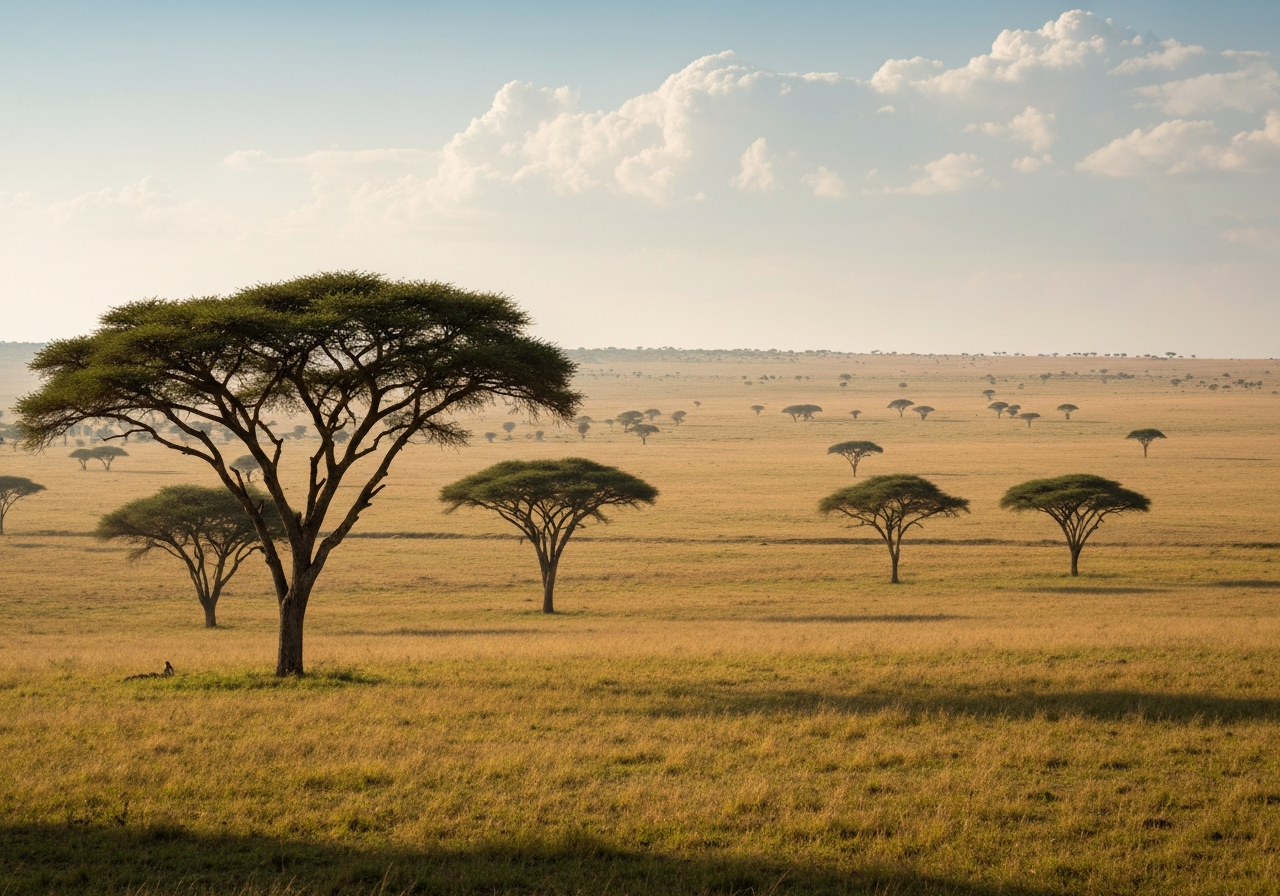
Understanding the Great Wildebeest Migration
The Great Migration is often dubbed the "Greatest Show on Earth," and for good reason. Over two million wildebeest, zebras, and gazelles traverse the Serengeti-Mara ecosystem in a continuous, year-round cycle driven by rainfall and the search for fresh grazing. For luxury safari travelers, timing your visit is crucial to ensure you have a front-row seat to this extraordinary natural phenomenon.
When to Visit Tanzania (The Serengeti)
January to March: This is the calving season in the southern Serengeti and Ndutu region. It's a fantastic time to witness new life, but also dramatic predator action as big cats take advantage of the vulnerable calves. The landscape is lush and green.
April to May: The herds begin their trek north and west. This period brings the "long rains," meaning fewer crowds and dramatic skies, though some luxury camps may close.
June to July: The herds move into the western corridor and face their first major obstacle: the Grumeti River. River crossings here are thrilling, though less famous than the Mara River crossings.
When to Visit Kenya (The Masai Mara)
August to October: This is the iconic river-crossing season. The herds plunge into the crocodile-infested waters of the Mara River. Staying in exclusive conservancies bordering the Masai Mara National Reserve allows you to experience the migration away from the crowds, with the added luxury of off-road game drives and night safaris.
Where to Stay: Luxury Migration Camps
To truly experience the migration in luxury, we recommend mobile tented camps that move with the herds, such as Serengeti Safari Camp or Singita Explore. For permanent luxury, properties like Angama Mara in Kenya offer breathtaking views over the plains. Our travel designers at Iconic Travel Services craft itineraries that strategically position you in the heart of the action while maintaining uncompromising luxury.